Meal prep basics for busy weeks
A little planning goes a long way. Use this one-hour meal prep plan to stock your week with colorful, ready-to-assemble foods.
- One focused hour can set up several meals.
- Prep components, not full recipes, for flexibility.
- Keep a simple, repeatable shopping list.
- Build a daily routine around meals you already plan.
Sunday, 3 p.m.: the one-hour plan
Imagine opening the refrigerator on Wednesday night and finding roasted vegetables, a pot of brown rice, cooked beans and a jar of homemade dressing waiting for you. Dinner takes ten minutes. That is the quiet magic of meal prep.
You do not need to cook entire meals in advance. Prepping ingredients, which cooks call components, keeps options open all week. Here is a simple one-hour framework to follow.
The component method, step by step
- Minutes 0 to 10: turn on the oven, wash vegetables and start a pot of water for grains.
- Minutes 10 to 25: chop vegetables, spread them on trays with olive oil and herbs, then roast.
- Minutes 25 to 40: simmer brown rice, quinoa or barley, and drain and rinse canned beans.
- Minutes 40 to 50: cook a protein such as baked fish, grilled chicken, or hard-boiled eggs.
- Minutes 50 to 60: whisk a dressing, portion everything into containers and label them.
By the end you have a toolkit. Mix and match through the week: grain bowl on Monday, tacos on Tuesday, big salad on Wednesday. Same ingredients, three very different dinners.
A shopping list you can reuse
Keep a standing list on your phone or the refrigerator door so shopping never feels like starting over:
- Vegetables: broccoli, carrots, peppers, onions, leafy greens, sweet potatoes.
- Fruit: berries, apples, oranges, bananas.
- Whole grains: oats, brown rice, quinoa, whole-wheat wraps.
- Proteins: fish, chicken, eggs, canned beans, lentils.
- Extras: nuts, olive oil, lemons, garlic, favorite herbs and spices.
Our heart-smart plate guide explains how these foods fit together, and the herbs and spices post helps you keep flavors fresh.
Storage and containers that make it easy
Good containers make good habits. Choose clear, stackable ones so you can see what is inside, and use masking tape with the date on each lid. Keep a section of the refrigerator for ready-to-eat items at eye level.
Follow the storage and handling guidance printed on packaging, and enjoy prepared foods within a few days. Freeze extra portions of soups, stews and cooked grains for later weeks. For general food guidance, the MedlinePlus nutrition page is a practical resource.
Snack packs belong in your prep hour too. Portion nuts, cut vegetables and fruit so grabbing a bite takes seconds. Our smart snack ideas list gives you plenty of combinations.
Keep it flexible and keep it fun
Meal prep works best when it bends with real life. Some weeks you will prep for five days, other weeks for two. Some weeks the hour turns into thirty minutes, and that is perfectly fine.
Try these small tricks to stay motivated:
- Play music or a podcast while you chop.
- Invite a family member to share the work.
- Prep one new recipe a month to keep things interesting.
- Reward yourself with a walk afterward; see our daily walking habit ideas.
The goal is not rigid perfection. It is giving your future self a head start.
A prepped week supports a steady routine
When meals are planned, daily habits become easier to anchor. If you take a daily supplement, link it to a prepped breakfast or lunch and the habit is nearly automatic.
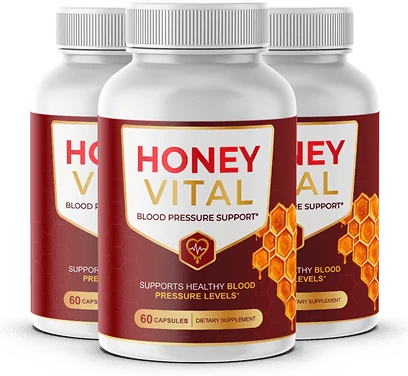
Honey Vital is a daily dietary supplement in capsule form that the brand presents under the label headline "Blood Pressure Support." Per the product information we reviewed, its listed formula includes hawthorn, juniper berry, olive leaf, garlic, green tea, hibiscus, B vitamins and Vitamin C. Follow the serving directions on the label. Packs of 2, 3 and 6 bottles are available, and the complete Supplement Facts panel is printed on the bottle label.
Learn more on the how Honey Vital works page, or see today's price on the order page. A 60-day money-back guarantee backs your order. For a neutral overview of how supplements are discussed in the U.S., visit the U.S. FDA dietary supplements page.