Hawthorn, olive leaf and hibiscus: what they are
A friendly field guide to hawthorn, olive leaf and hibiscus, three plants named in the Honey Vital formula, and the way people have come to know each one.
- Hawthorn is a flowering shrub used in traditional herbal blends
- Olive leaf comes from the olive tree
- Hibiscus is the ruby flower behind hibiscus tea
- All three appear in the listed Honey Vital formula
Three plants, three personalities
Some ingredients have a way of making you curious about the plant behind the name. Hawthorn, olive leaf and hibiscus are three of the botanicals listed in the Honey Vital formula, and each has its own look, history and place in the kitchen or garden.
This field guide describes what each plant is. It does not make claims about what any of them does for the body, and it does not speak for the product. For the full lineup, see our ingredients page.
Think of it as a short walk through a garden, an orchard and a tea shelf. Each plant brings a different sense of place, and understanding where it comes from makes a label feel less like a list of words and more like a story you can picture.
Hawthorn: the hedgerow shrub
Hawthorn is a flowering shrub, sometimes growing into a small tree, known for clusters of white or pink spring blossoms and bright red berries in autumn. It has long been used in traditional herbal blends, and the Honey Vital formula lists hawthorn berries, leaves and flowers.
Walk a country lane in late spring and you may spot it in bloom. That gentle, seasonal character makes hawthorn one of the more picturesque entries on any ingredient list.
Because hawthorn grows in many regions, gardeners and hikers often know it by sight long before they see the name on a bottle. Spotting the plant outdoors is a fun way to connect with an ingredient.
Olive leaf: from a beloved tree
Olive leaf comes from the olive tree, an evergreen with narrow silvery-green leaves that is closely tied to Mediterranean landscapes. The same tree gives us olives and olive oil, two staples on many a heart-smart plate alongside vegetables, beans, whole grains, fish and nuts.
When a label lists olive leaf, it is pointing to the leaf of that familiar tree rather than the fruit. Picture the silvery foliage rustling on a hillside and you have the right image.
Olive trees can live for a very long time, and groves are a classic image of sunny, unhurried living. That picture is a nice reminder of the slower, steadier routines that so many people enjoy building around their day.
Hibiscus: the ruby flower
Hibiscus is the flower behind hibiscus tea. Steeped petals produce a deep ruby color and a tart, cranberry-like flavor, which is why the drink is loved hot in winter and iced in summer. The formula names hibiscus among its botanicals.
If you want to get to know the flavor, brew a cup and enjoy it plain or with a slice of orange. It is a pleasant way to add water to your day, and staying hydrated through the day is one of the easiest everyday habits.
Many tea fans keep hibiscus in the cupboard next to green tea, another plant in the Honey Vital formula. Together they make a lovely afternoon tea tray, with one cup tart and ruby, the other golden and grassy.
How to read plant names on a label
Plant names alone do not tell you amounts or forms. A few questions help:
- Which part of the plant is used: berry, leaf or flower?
- Is the amount listed on the Supplement Facts panel?
- Does the brand explain how the product is positioned?
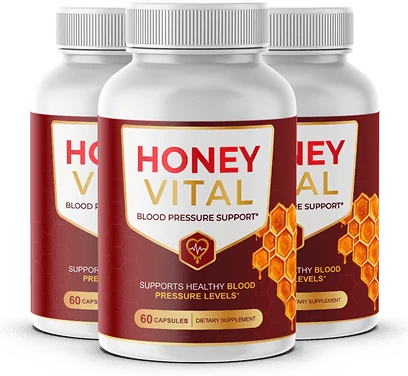
The complete Supplement Facts panel is printed on the Honey Vital bottle label, and customer support can share details. For wider background, the NCCIH series Herbs at a Glance has short plant profiles, and the MedlinePlus dietary supplements page gathers friendly basics.
Next steps
Now that you can picture the plants, you may want to see how the brand frames the whole formula. Read Honey Vital explained and how Honey Vital works for the bigger picture. The label reads "Blood Pressure Support*," and the brand describes the product as a daily dietary supplement in capsule form.
When you are ready, see today's price on the order page. Your order is covered by a 60-day money-back guarantee, with refund requests handled through customer support.